Showing posts with label tasty. Show all posts

Friday, 13 January 2012

Countryside Adventures

So here's another post coming to you from the Mid North Coast of New South Wales; I was charged with minding the dog for a few days as others embarked on a few side trips and this is a dish I cooked up to amuse myself and the dog.  He enjoyed it in rather more of a raw form it must be said!  I like this style of cooking the meat and have made this quite a few times with variations in the marinade.  This edition, I guess because of the Sumac, preserved lemon and general spice profile, takes some inspiration from North Africa via the South of Italy.  Quite Australian in it’s multicultural mixture of influences.  You can also use a dash of sweet vermouth in a marinade as variation.   

 
Preserved Grapefruit, an in house product,
but as you won't find that at the shops I suggest lemon!
Seared Kangaroo Fillets


Kangaroo Fillet (roughly two medium sized pieces per person)

Marinade
Garlic, 2 large cloves crushed and diced
Olive Oil, 50ml
White wine, 50 ml
Balsamic Vinegar, 1 dash
Sumac, large tsp
The Kangaroo, Sizzling along in the pan, prior to the oven
Dash of finely diced chilli
Lemon thyme, 3-4 sprigs
Bay leaves, 2 fresh
Preserved lemon, 2-3 pieces, finely sliced
Cumin, ½ tsp
Cardamom. A pinch
 Salt

Black Pepper
White Pepper

Throw all the marinade ingredients together and give it a good mix.  To this, add the kangaroo and make sure all the meat has a good covering of the liquid.  This can all be prepared the day before if you want, or on the day you cook it.  If you do it earlier, cover and throw it in the fridge but give the meat a turn every now and then.  Make sure you get it out of the fridge to get it up to room temperature prior to cooking.  Prepared a few hours before cooking it can just be left out of the fridge, but again give it a mix and stir occasionally.

To cook, remove the meat from the marinade and get rid of any big lumps of garlic, herb etc from the meat.  Reserve the marinade and set an oven to 220C, also heat a pan with a little oil until very hot.  Sear the meat until coloured and browned on all sides.  This might be 30 seconds or so per side, but use your judgement.  Place the meat into a baking dish and pour over the marinade.  Cook in the oven for 5-10 minutes.  The aim is to keep the meat rare in the middle but combine the lovely flavours of the marinade, so don’t overdo it!  If you do like the meat a little more well done, bake for 5-10 minutes longer but at about 180 C.  (Though I think  Kangaroo is at it’s best rare to medium rare!)

Give the meat a rest under foil for 10-15 minutes then serve with a Salad or your favourite roasted vegetables.  Here I’ve done some oven roasted potatoes and a tomato, avocado and cucumber salad.    We enjoyed this with a delicate and lighter Cabernet, but a rich and spicy Shiraz or the classic game companion of a Pinot would also work.

Tuesday, 22 November 2011

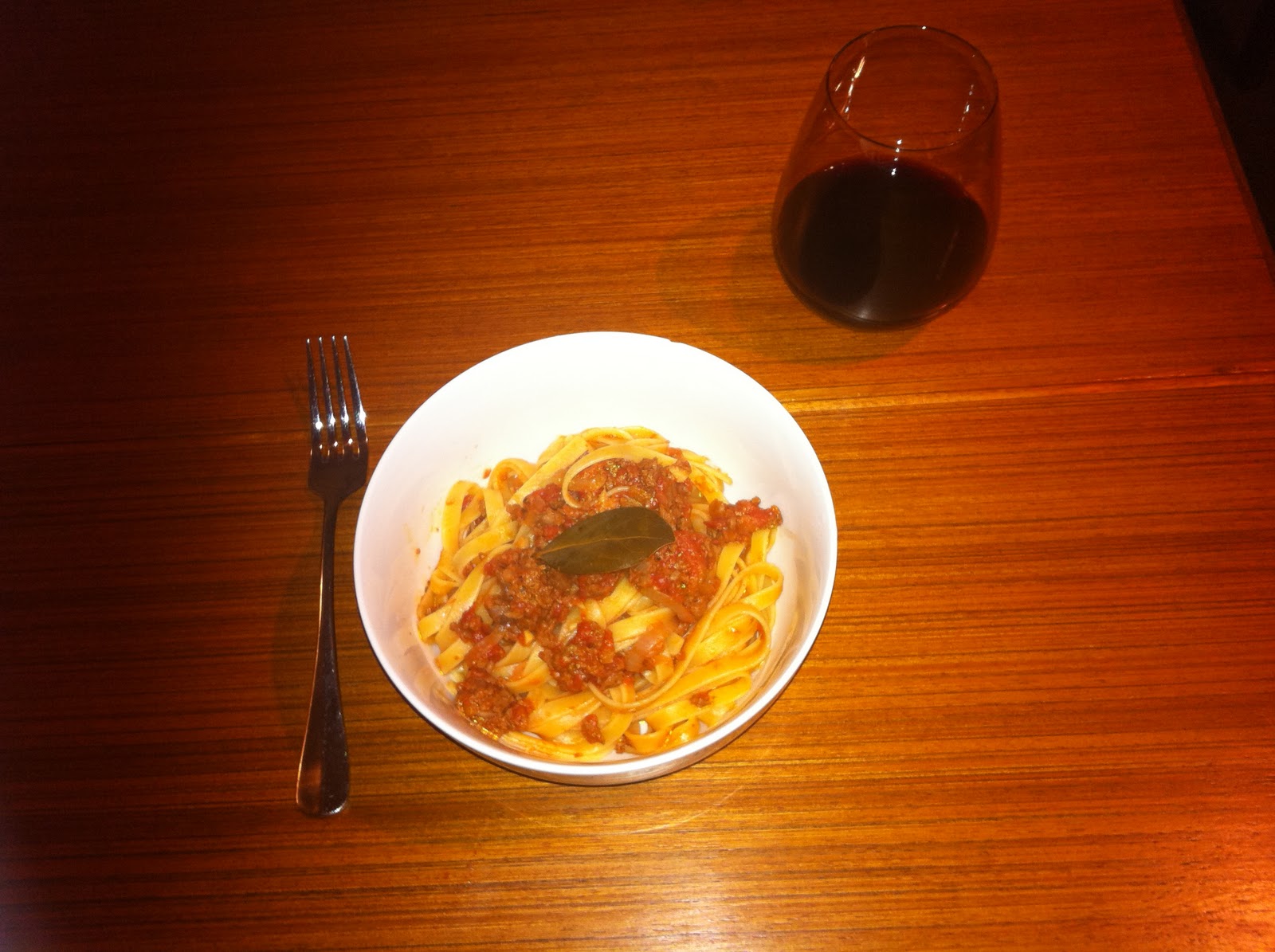
“What's that Skip, you fancy something Italian?” Kangaroo Bolognese...

It's funny how some people react when you mention Kangaroo featuring in a dish you cooked or tried, I'm not entirely sure why, but it seems to divide, some love the idea whilst others appear perplexed. Sure I understand the notion of it being a national symbol; many seem to see kangaroos as cute and cuddly, up there alongside koalas for example, but there's some irony in the fact that neither are particularly like this most of the time in the wild. Not that koalas are eaten regularly, but I digress! Kangaroo seems a logical additional protein choice for a variety of reasons, but principally, alongside more familiar meats, such as beef, chicken, lamb etc, here is a relatively sustainable and low impact product. There is some argument about how sustainable, but there is no comparison between the relative environmental impact of cattle vs kangaroo.

From the consumers point of view this meat is interesting for a few reasons: it can be seared as steaks for a lean and flavoursome dish, and many prize the gamey quality of the meat. This high quality, it's leaness and flavour also suggest it would make excellent carpaccio. However for this dish I'm using a mince, the main concern with any preparation of roo remains ensuring the meat does not dry out due it's extreme leaness (for those unfamiliar with it think of venison). It's handy to use a little bit more oil or even use another fat or stock to maintain the delicacy of the meat.  For steaks, in the form of marinades and bastes; in this case a little more olive oil in the initial cooking process.

For this take on a dish possibly done to death, I feel the kangaroo brings such a wonderful depth of flavour and a welcome twist and sense of difference. It is also intentionally an easy one to prepare regardless of your skill level.  The nervous or novice can do this one and it's great for the pros when you want something good, but don't want to be slaving in the kitchen for hours.  I love cooking, just not all the time!

Ingredients

The dish goes nicely with a Cruickshank 2007 Shiraz...
(See it in the previous post)
 Olive oil
2 small to med onions
3 cloves garlic
500g kangaroo mince
½ tsp cumin
1 tsp mixed herbs
A little dried chilli
Good grind of black & white pepper
salt
1 tsp sugar
2 bay leaves dried (really a matter of taste, I'd use less if fresh)
Some of my superdupa pork belly stock! (beef stock is ok if you don't have the former) *
2 400g tins of tomato
a little quality red wine (2 dessert spoons approx)
parsley
parmesan cheese

Piling it all in the pot

Sweat off and lightly brown the onion in a little oil, throw in a little salt as this nears completion. Add your mince and garlic, cook until the meat is coloured through. pop the spices in and let this cook a little as you open the tins of tomato. Whack these and your stock in the mix and combine. You should have quite a lot of liquid, but this is good as I just let it all cook for a couple of hours and reduce gradually to a rich sauce, really the longer the better, but if your low on time turn the heat up. Right at the end of the process I add the small amount of wine as an essence to the sauce, it gives a lovely subtle lift to the flavour.  You may like to use the same wine you will serve with the food, if your having wine.  (Who makes statements like that?  Of course you shall have wine!) You can also check your seasoning at this point as well and adjust accordingly.

Mix through al dente cooked pasta of your choice, I like Fettucine, but the choice is between you and your pantry shelves.  Garnish with parsley and parmesan if desired.

*My Pork stock is the rendered material of an oven roasted piece of pork belly, there's onion, spices, wine and various other goodies that went into the roast originally, anyway I froze the remaining liquid and have been using it in sauces and other dishes to give depth and richness. It's great! If I don't use this or another “proper” stock, I've been using good quality stock cubes in recipes, this would be fine here.

Skippy rates it 5 stars ;)  Actually reflecting on it, the thought of Cannibalistic Kangaroos digging into this is somewhat disturbing, or the seed of a new horror film...  On that note, enjoy!

Sunday, 14 August 2011

Ossobuco alla Sydney


Well this is definitely one of my favourite dishes for winter. It's rich, tasty and satisfying, with the best part being the ease of preparation. For this edition of the dish I had a collaborator, with my brother joining the fray. Full credit must go to him for the delicious mash we served with the meat and broth!

We improvised the recipe really, don't all the best rustic Italian farmhouse cooks? Anyhow the result is fairly faithful to the dish most of us know, with a few tweaks here and there. Interestingly there are really two main types of sauce you can go with: The modern version we know with a tomato base, onions, celery, carrots etc, and the much older Ossobuco bianco, which is primarily flavoured with bay leaf, cinnamon and gremolata. I always find it fascinating the extent to which we associate the tomato with Italian cooking, when in fact it is a rather recent addition, tomatoes arriving in Europe from South America in the late 1500's with the returning Spanish. Even from this point not being adopted into Italian cuisine on a large scale until the 17th century.

In a nod to the older version of the dish, I started with a mix of spices including cumin, bay and cinnamon, I love the tomato richness as well so here's our take...

Ossobuco pieces, dusted in flour (as many as you need, 1 per serve)

2 onions
2-3 cloves of garlic
chilli flakes (few dashes to taste)
cracked black pepper ½ tsp
white pepper ½ tsp
mixed herbs 1-2 tsp
cumin ½ tsp
cinnamon ½ tsp
salt 1 tsp (to taste really)
sugar (again to get balance, to taste)
Rosemary 2 sprigs
Sundried tomatoes 150-200g
2-3 dried leaves, (use less if you have fresh, and of course these are always better!)
handful of chopped parsley

I also added about 75g of rendered sauce from a pork belly roast I made, and froze. It was a little like a stock base I guess, and you could use something similar or add some more stock to the mix of a type to your liking. The whole point is the depth of flavour in the finished dish.

red wine 250ml
water and/or stock (judge to cover the meat)
Tin of whole tomatoes 375g
2-3 carrots, roughly halved or chopped

Butter
Olive Oil

In a large, heavy pot, brown the meat in a little oil and butter, the more colour and caramelisation, all the better for the flavour later! When you are happy with this stage, throw in the chopped onions and garlic along with the herbs and spice (at this point I added my “Pork belly booster” and the sundried tomatoes).  Mix it all together and let the onion and garlic cook a little before adding the wine to deglaze the pan. At this point you can add the canned tomatoes, mix them through and then add the other liquid ingredients so everything is immersed. We simmered on a very low heat for about 5-6 hrs, obviously you can go shorter if time is tight, just simmer a bit faster. With the extra time you can go for a very low, barely bubbling simmer, everything cooks very slowly and is extremely tender. The carrots were added with about 2 hours to go and the lid removed for the last hour, to cook off a little liquid. Don't really reduce as your after a broth rather than a thickened sauce.

For the potatoes, quarter and boil in salted water until tender. We mashed with butter, salt, black and white pepper and a good handful of finely chopped parsley. If your adventurous a squeeze of lemon really lifts the mash, whipped through just before serving.

A flexible dish, my brother enjoyed this with a Guinness.  I on the other hand thought it sublime with a 2004 Adelaide Hills Nebbiolo, each to their own I guess but it worked nicely both ways. (I'd say try with the Piedmont expat though ;) ! )  There may have to be a review of this wine now...  


What else to say but a tasty, satisfying and glorious dish for the cool weather when something hearty is craved. I think it's so good you can do it anytime...

Friday, 22 July 2011

A Bun Or Two In the Oven

The title may be in jest, but I thought it was time for a post regarding an area of cookery many shy away from, often out of apprehension and fear or previous misadventure.  Some of this seems to be based on the fact that baking is often heard in company with words like chemistry and science.  This is all true, I won't try and deny it; consider for a moment though that these terms can all be applied to getting those potatoes crisp, the roast browned or the vegetables steamed nicely.  Familiarity is the key in that if you can get a feel for what is happening, success will ensue.  The reality is probably that we all have more experience (good and bad!) at roasting a chicken, than we do at baking a loaf of bread, yet which one do we consume most often?

So I've been playing around with some bread recipes for both amusement and nutrition.  As to the science, without going into painful details there are a few things to note, but not stress over:

Salt is crucial to the structure of the loaf in baking, it strengthens the dough and helps preserve  this in the cooking process, it also moderates the activity of the yeast, so remember too much and you will inhibit the yeasts action excessively.  Salt also enhances the flavour, which is pretty important I think.

The type and quality of flour has the biggest impact on the resulting product more than anything else, particularly in breads, it's important to use a quality strong flour.  Basically the higher the protein (gluten) content, the more suitable as a bread flour for a traditional, light, elastic white loaf, of course, there are infinite variations.

Be precise in your measurements, but don't sacrifice a sense of feel when making a dough.  Measuring is important, but you have to remember, particularly with the addition of liquids that everything is hugely variable depending on humidity, type of flour and altitude.  These all influence the final mix, So get your hands dirty and use your eyes, if it looks and feels right, or the opposite then don't be put off making an adjustment.

I've been trying some bread recipes with the basic flour, water, salt mix, to this I added a little brown sugar and olive oil.  The yeast was stock standard dried.  From this I could produce a quite reasonable loaf.  With experimentation I found the volume of oil defined the richness and softness of the loaf.

A sour dough starter has also been embarked upon and at the moment this is a work in progress, I'll certainly update this as it progresses.  I did want to note that there is something beautifully seductive about the process, as it requires only flour, water and salt to make perhaps the most beautiful bread.  Patience should also be added to this list in fairness, as time is needed to get the culture going and also produce and bake the loaves.  The result is well worth it however! 

To be ellaborated on...


Sunday, 3 July 2011

d'Arenberg “The Stump Jump” GSM 2009

d'Arenberg are one of Australia's finest producers, Still, it's reassuring and pleasing to find nice wines like this at $10 or less. It's not a complicated, but that's a good thing, rather it's honest and tasty stuff. The most surprising thing I have to say prompted by this wine? Go buy a decanter if you don't possess one already! I say this because it all really opened out nicely after I got stuck on the phone, leaving the bottle open for a good hour or so.

Drinkability indicated by the amount already gone...


So...

Medium weight with red fruit and spice, this deepens to some darker notes, a flick of strawberry jam and cherry, backed with a nice savouriness and acidity. Good tannins. The purity of fruit is lovely and this is so drinkable without being boring. Really a good example of a GSM that puts many other pricier options in the shade, 88.

As I mentioned, a decant would do wonders. The wine is great with something to eat, and to this end I suspect very versatile, equally at home with lighter fare or something more hearty and protein based. Try it with the Sweet spiced chicken perhaps?

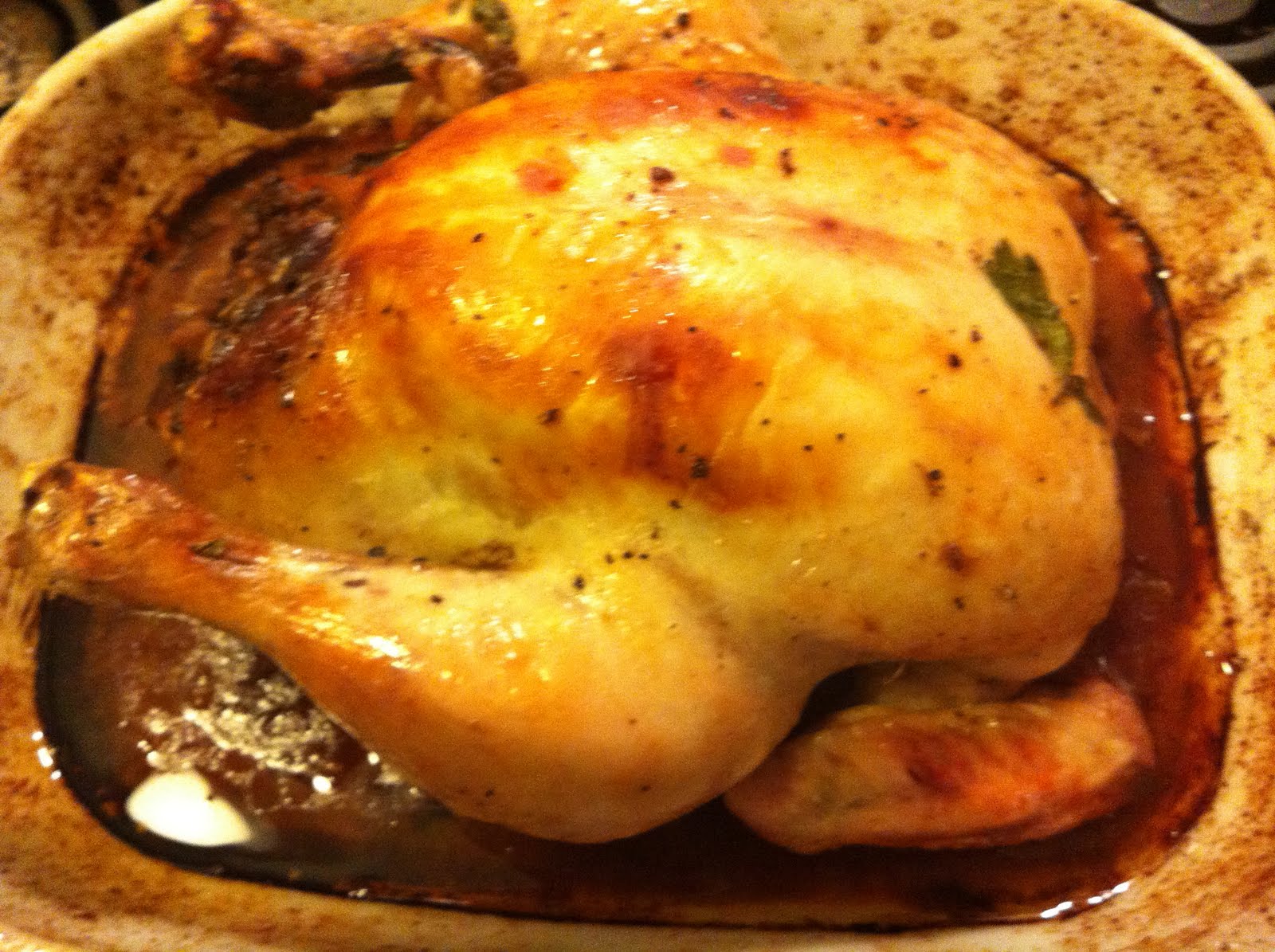
Sweet Spice Roast Chicken

Roasting a chicken isn't a hard task, but it's always good to have a few tasty variations up the sleeve to give variety.  I cooked this up for a Sunday evening.  It's easy enough for an ordinary meal while your pursuing weekend activities, tasty enough for entertaining with a casual dinner; a recipe for when you have plenty of cooking time but are short on preparation time, let's face it, that can be any time.

1 Chicken (Obviously)

Stuffing
Olive oil
1 ½ tbs Balsamic vinegar
1 ½ tbs Soy sauce
30ml sweet vermouth
Generous dash of chilli flakes
1 tsp mixed herbs
½ tsp cumin
½ tsp 5 spice
1 apple, finely sliced
6-8 Kalamata olives, pitted whole
2 cloves garlic, diced finely
1 slice raisin toast, roughly chopped
½ handful parsley, finely chopped
6-8 fine slices of butter
black pepper

*The quantities listed here are for a small chicken, you could adjust these as needed for a bigger, or multiple birds.

Preheat oven to 190 C.

Begin with a generous slug of oil in a mixing bowl, to this add all the stuffing ingredients, apart from the butter and mix well. Toss the butter through last as this is intended to melt through in the cooking process. The mix should be moist to slightly wet, If it is too dry add a little water or wine.

Stuff the chicken and then rub the outside with a little more olive oil, salt and pepper. Transfer to a baking dish and cover with foil.  The foil will hold the moisture in and maximise flavour infusion.

Cooking time is some 2+ hrs, give the bird 15min at 190 then turn the oven back to 155 C. After 1¾ hrs approx remove the foil and allow the chicken to colour for ½hr. Remove from the oven when golden. Keep an eye on things at this stage, as browning time may vary.

Remove the chicken from the pan and place in a warm spot, reduce the juices to make a lovely jus.  The beauty of the relatively slow oven is that the meat stays tender and doesn't dry out, so this really is a low stress recipe allowing you to cook another dish, do the housework or entertain friends. I'd suggest serving with with your favourite roast vegetables and light greens. The versatility is such that a salad would equally suit as an accompaniment.